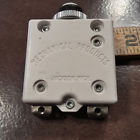
( Brand: Mechanical Products ), ( Manufacturer Part Number: 1601-013-100 ), ( Part Type: Breaker Amplifier )
Review MECHANICAL PRODUCTS 1circuit Breaker
The 1601-013-100 Mechanical 1 Circuit Breaker Amp is a reliable and essential electrical safety device designed for residential and commercial applications. This mechanical circuit breaker is rated at 1 ampere, making it ideal for protecting low-power circuits from overcurrent conditions.
The breaker is constructed from high-quality materials, ensuring durability and long-lasting performance. Its mechanical operation provides a tactile and audible trip point, allowing users to easily identify and respond to tripped breakers. The breaker is also easy to reset, ensuring that power is restored quickly and safely.
The 1601-013-100 Mechanical 1 Circuit Breaker Amp features a clear and easy-to-read mounting label that provides important information about the breaker's rating and installation requirements. The breaker is designed to be easily installed in standard electrical boxes, making it a straightforward addition to any electrical system.
The breaker's mechanical operation makes it a reliable and dependable choice for applications where electronic circuit breakers may not be suitable. Its low amperage rating makes it ideal for protecting low-power circuits, such as telephone lines, doorbells, and light fixtures.
In summary, the 1601-013-100 Mechanical 1 Circuit Breaker Amp is a high-quality and reliable electrical safety device that provides essential protection for low-power circuits. Its mechanical operation, easy installation, and clear labeling make it a user-friendly choice for both residential and commercial applications.
Pros of buying a 1601-013-100 mechanical 1-circuit breaker:1. Reliability: Mechanical circuit breakers are known for their durability and reliability. They are less prone to electrical surges and short circuits compared to modern electronic breakers.
2. Simplicity: The mechanical design of this breaker is straightforward and easy to understand. It does not require any complex programming or maintenance.
3. Cost-effective: Mechanical breakers are generally cheaper than their electronic counterparts. They also require less energy to operate, which can save on energy costs over time.
4. No digital errors: Mechanical breakers do not have digital components that can fail or malfunction, reducing the risk of false tripping or failure to trip.
Cons of buying a 1601-013-100 mechanical 1-circuit breaker:1. Limited sensitivity: Mechanical breakers may not be as sensitive to small electrical surges or short circuits as electronic breakers. This could lead to damage to electrical equipment if not addressed promptly.
2. Manual reset: Unlike electronic breakers that can be reset automatically, mechanical breakers require manual intervention to reset after tripping. This can be time-consuming and inconvenient.
3. Limited protection options: Mechanical breakers do not offer the same level of protection options as electronic breakers, such as overvoltage protection or arc fault detection.
4. Limited accuracy: Mechanical breakers may not be as accurate in their tripping thresholds as electronic breakers, which can lead to over or under tripping in some cases.
Conclusion:The 1601-013-100 mechanical 1-circuit breaker is a reliable and cost-effective option for simple electrical circuits. Its durability and ease of use make it an attractive choice for many applications. However, its limited sensitivity, manual reset, and lack of protection options may make it less suitable for more complex electrical systems or high-risk applications.
Recommendation:If you are looking for a reliable and cost-effective breaker for a simple electrical circuit, the 1601-013-100 mechanical 1-circuit breaker is a good option. However, if you require more advanced protection options or higher sensitivity, you may want to consider an electronic breaker instead. It is always recommended to consult with a qualified electrician or electrical engineer to determine the best breaker for your specific application.
Details:
part #: 1601013100 price
- $140.00
specifications comnavavioni:
- brand: Mechanical Products
- mpn: 1601-013-100
- part type: Breaker Amplifier
Returns comnavavioni:
- policy: no returns
Ratings:
- great item as advertised! super seller! thanks! 10-31-17
- excellent 11-03-17
- Excellent Seller 11-02-17
- Great find 11-02-17
- Nice service, good quality, thanks a lot 10-30-17
Payments comnavavioni:
- PayPal
Shipping comnavavioni:
- handling: 1 days
- cost: $7.15
- type: Calculated
Offer comnavavioni:
- bids: 0
- Sold: 0
- quantity: 1
- best offer: true
- Started: November 3, 2017, 1:48 pm
General comnavavioni:
- condition: Used
- motors > parts accessories > aviation parts accessories avionics > coms nav aviation parts
- in stock: Yes
Seller comnavavioni:
- zipcode: 76118
- city: Fort Worth, Texas
Mechanical Products 1601-013-100 Is Similar To:
- An3161-20p An3161-2 Mechanical Products 20 Amp Circuit Breaker (64% similar) This item is Mechanical Products 20CIRCUIT breaker AN3161 20P. 7000 to 8000 avionic items in this store...(October 12th, 2016)